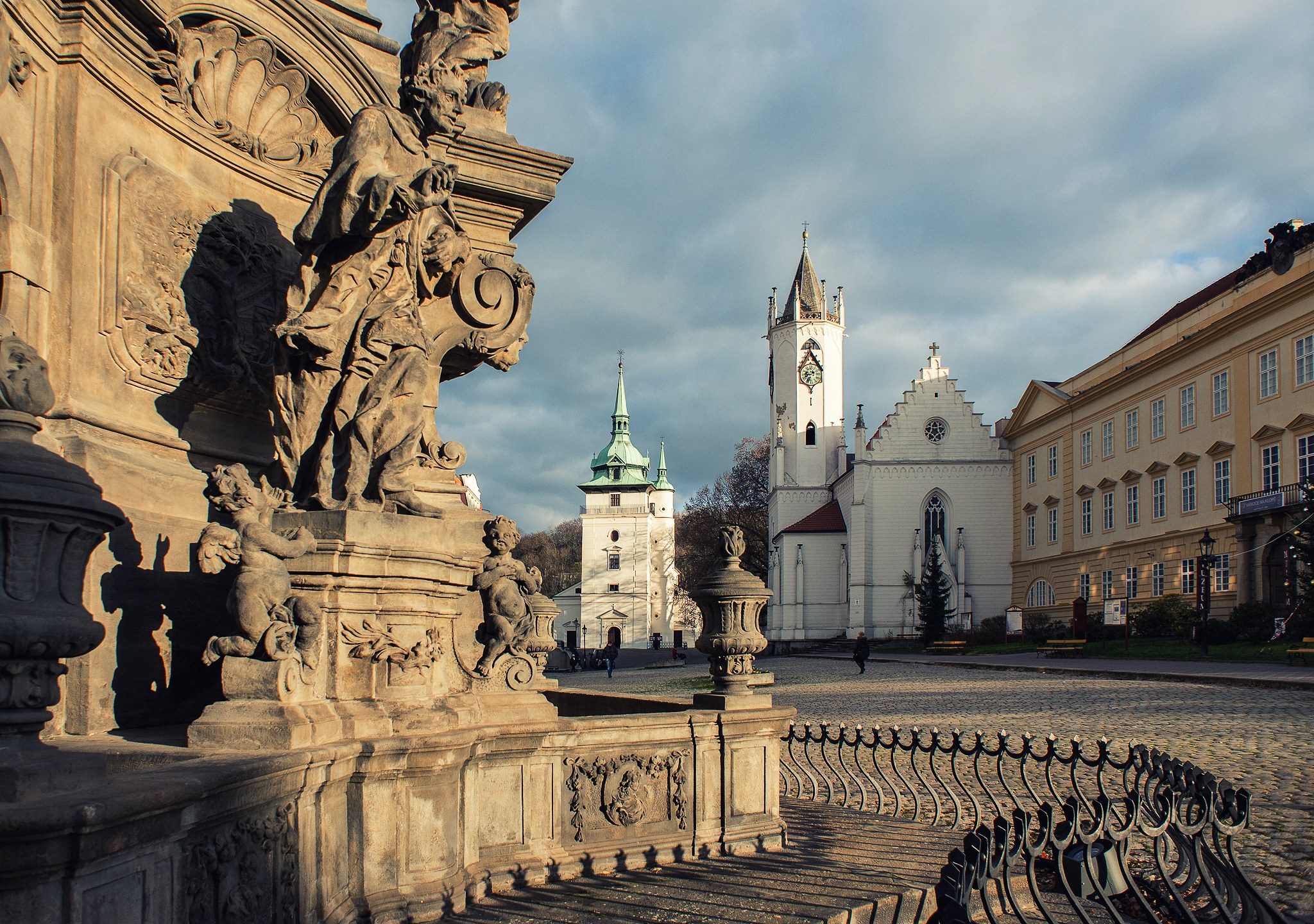




Teplice, a town with a long spa tradition, lay for centuries on the border between the Bohemian lands and the Sudeten – a region that became a stage for European history. Although the population was mostly German-speaking, Teplice were an inseparable part of the Czech state.
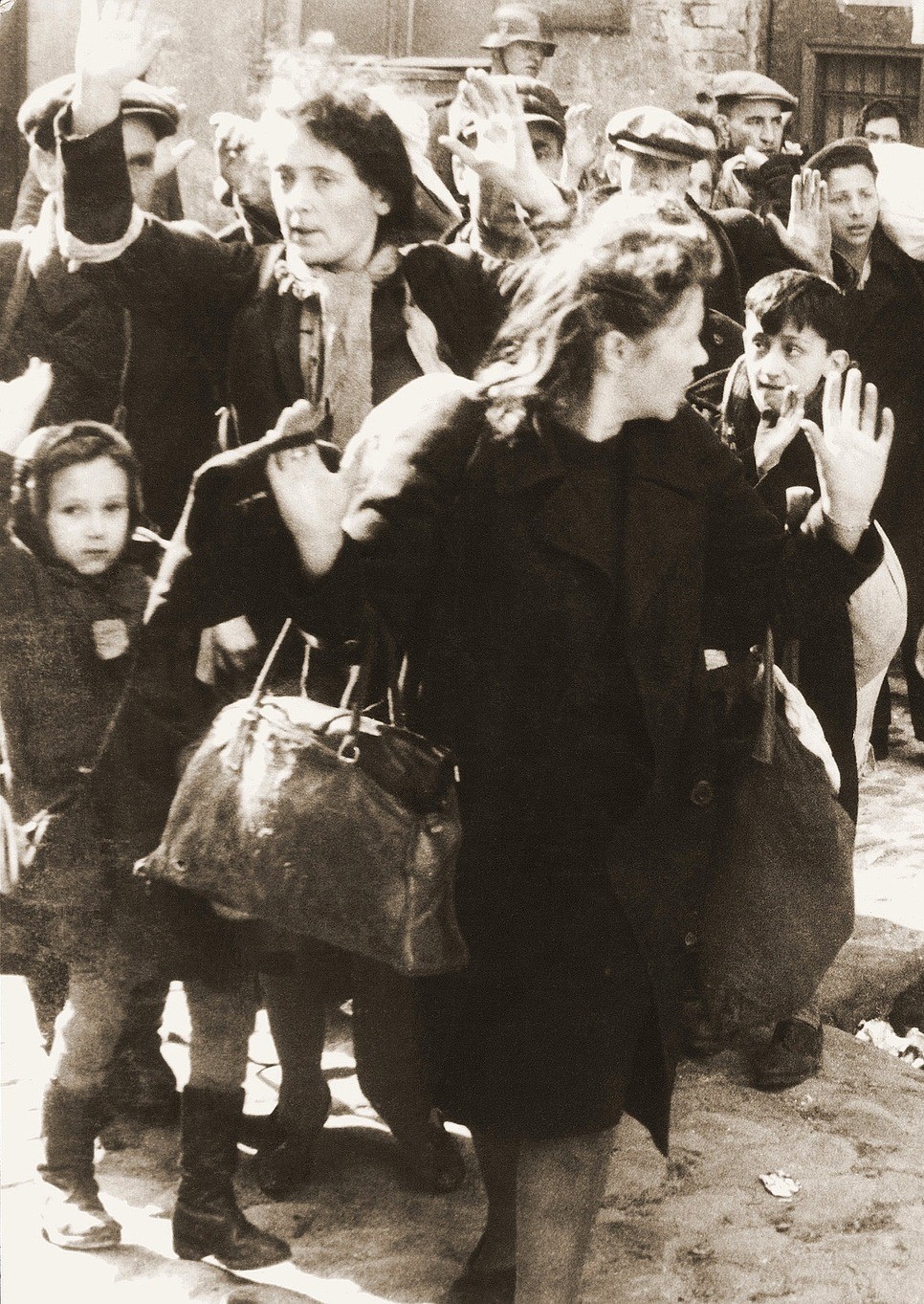
The year 1938 marked a dramatic turning point for Teplice. After the signing of the Munich Agreement, the borderlands were annexed by the Third Reich, and the town became part of the Sudeten region. Local Czechs, Jews, and opponents of Nazism were subjected to forced relocation or persecution. After the end of the war in 1945, Teplice returned under Czechoslovak administration, but the changes for the population did not end there. Most of the German inhabitants were expelled, and the town had to adapt to new historical circumstances.
Despite these dramatic shifts in population and political affiliation, Teplice preserved its identity and spa tradition. The town recovered from these difficult trials and today attracts visitors with its history, architecture, and unique combination of cultural and natural beauty.